


What Makes a Service Page Earn Its Keep?
IP Marketing Solutions • August 3, 2026
A service page has one job: help the right visitor understand what you do, why it matters to them, and what to do next. It is not a digital brochure and it should not try to say everything about the company at once.
For a local business, a strong service page can support sales conversations long after the first visit. It gives a prospect a clear starting point, answers common questions before the phone rings, and gives search engines useful context about the work you actually offer.
Start with the customer’s question, not your company history
Visitors usually arrive with a practical question: “Can this company help with my website?” “Do they manage Google Ads?” “What does this service include?” Put the direct answer near the top of the page. Name the service plainly, explain who it is for, and describe the outcome in language a potential customer would use.
This is not the place for a long origin story or a string of broad claims. A page for SEO should explain the work involved and the kinds of business goals it supports. A page for video production should explain how video may be used, what the process looks like, and what a client can expect to receive.
Clear language also helps people choose where to go next. UX research calls this “information scent”: people use the words around a link and its context to judge whether it will lead to a useful answer. That is a good reason to use specific link text such as explore our digital marketing services instead of a vague “learn more.”
Give the service a useful shape
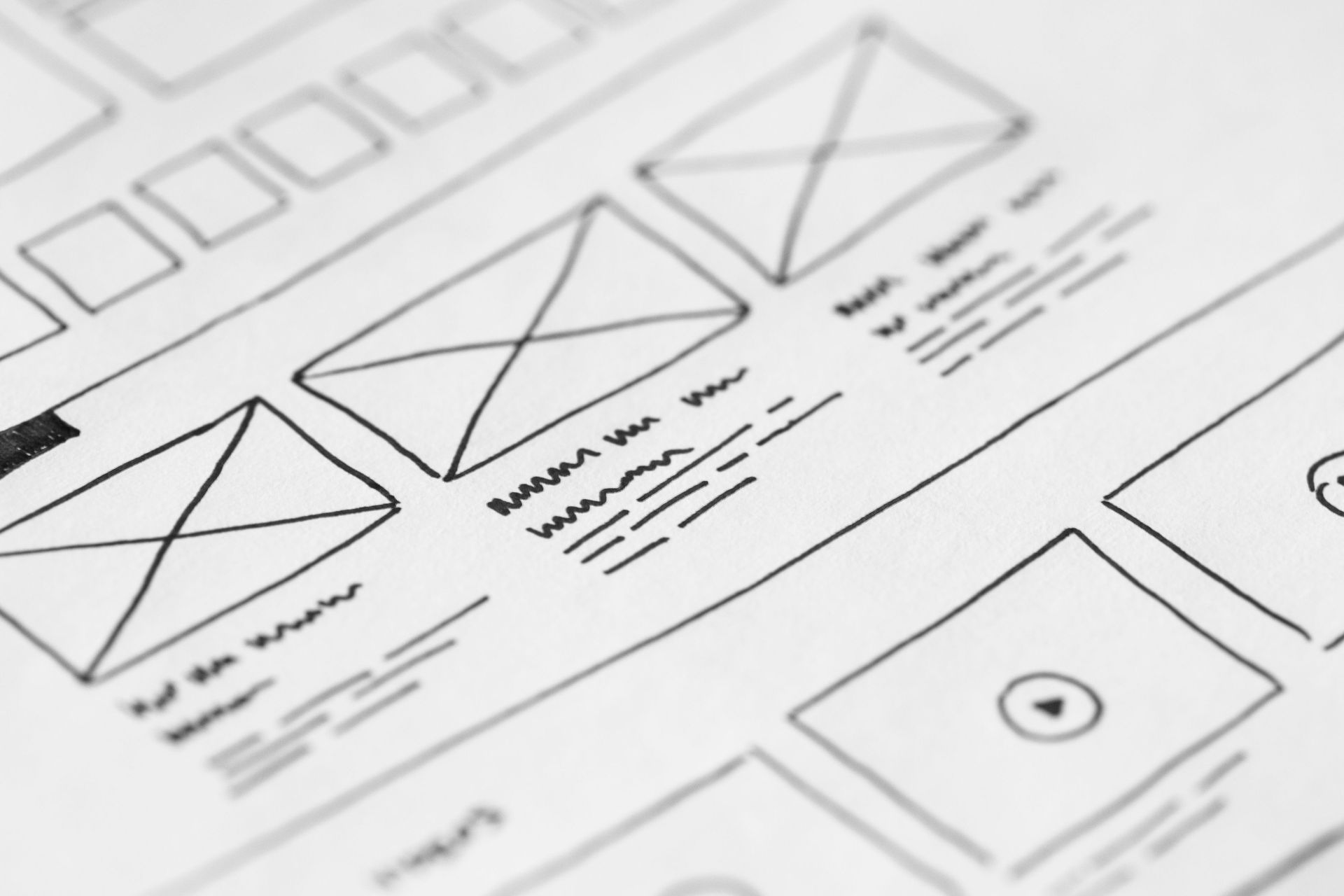
Most service pages benefit from a straightforward structure:
- What it is: A concise explanation of the service and the problem it addresses.
- Who it helps: The type of business, audience, or situation that makes the service relevant.
- What is included: The key deliverables, stages, or areas of work a client can expect.
- Why it matters: Real-world benefits tied to visibility, clarity, efficiency, trust, leads, or another business goal.
- What happens next: A clear invitation to start a conversation, request an analysis, or review related services.
That structure keeps a page easy to scan without reducing it to a checklist. It also gives your team room to add the details that make the service credible: examples of the process, project considerations, frequently asked questions, and relevant work.
Use proof that belongs to the service
“Results-driven” is easy to write and hard to evaluate. Specific proof is more helpful. Depending on the service, that might be a short case example, a project deliverable, a before-and-after explanation, a client quote with permission, or a description of the measurements your team reviews.
The point is not to promise a particular ranking, lead total, or return. Marketing results depend on the offer, audience, competition, budget, timing, and execution. The better approach is to show how thoughtful work is planned, measured, and improved.
If several channels are involved, connect the dots for the visitor. A website, search visibility, paid media, photography, and print should feel like parts of one plan—not unrelated items in a menu. See how IP Marketing Solutions brings its services together and where specialty services can strengthen the larger effort.
Make the page easy to find and easy to understand
Good service pages are written for people first, but they should also make their subject clear to search engines. Google’s SEO Starter Guide recommends clear, useful content, descriptive titles, and links that give visitors and search engines context. In practice, that means using a direct page title, a readable URL, natural headings, and internal links that lead to closely related pages.
It does not mean repeating the same phrase in every sentence. A service page earns attention by answering the visitor’s question better than a generic page can. Use the terms customers actually use, then explain the work clearly enough that a first-time visitor can make an informed decision.
End with one sensible next step
A service page should not leave a visitor wondering what to do. Choose a primary action that matches the page: request a consultation, ask for a quote, schedule a review, or see examples of the work. Keep it visible and make the invitation specific.
If your service pages explain the value, show the process, and point people toward a next step, they become more than placeholders in your navigation. They become useful sales tools for the people already looking for what you do.
Need help turning your services into clearer, more effective website pages? Start a conversation with IP Marketing Solutions.
RECENT POSTS
Ready for a Smarter Marketing Strategy?
Let's talk about your goals and build a plan that gets real results.
or call us today at 731-610-2375