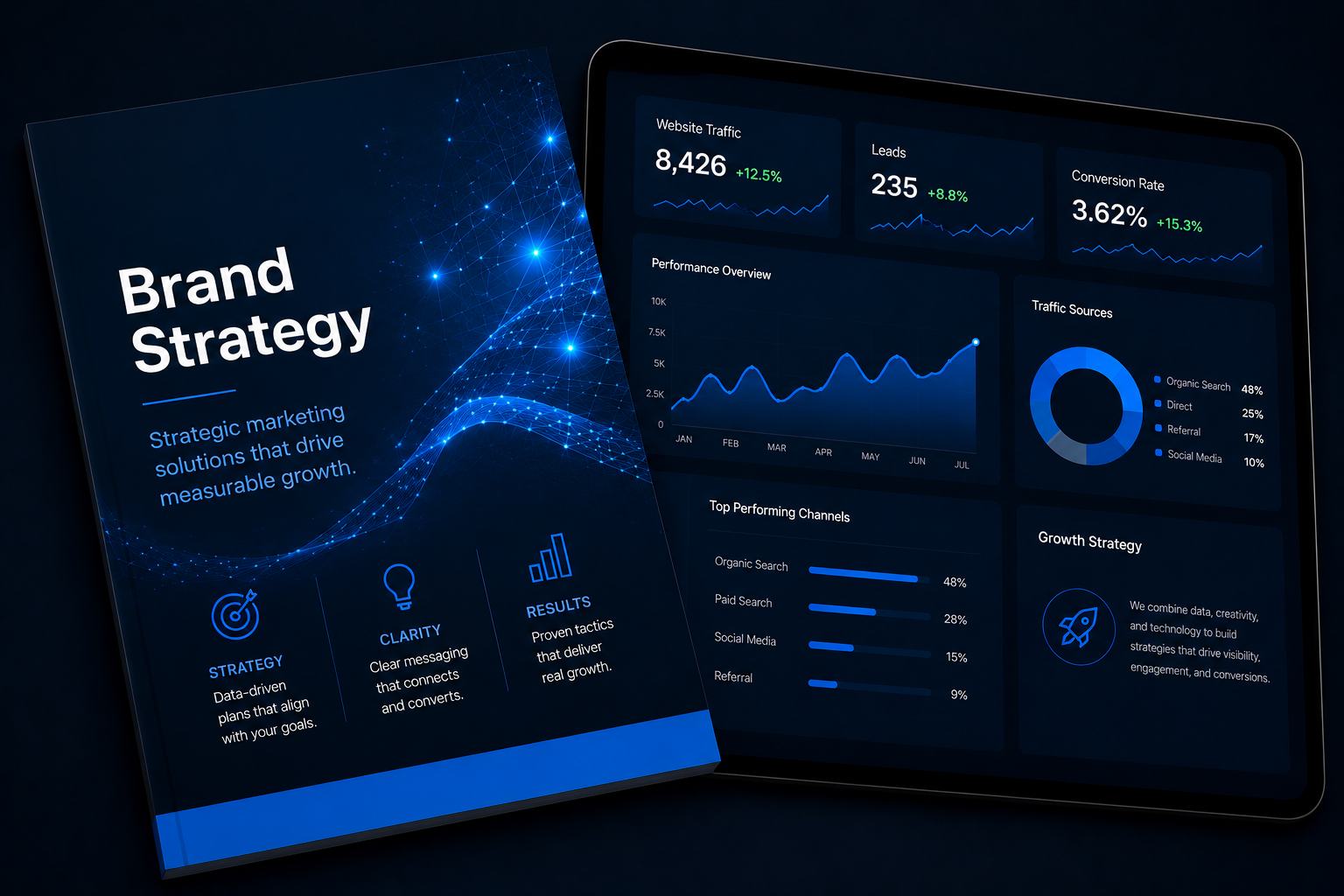


TikTok’s latest product update gives advertisers more ways to see whether their search ads are winning visibility and to test clearer calls to action. For a business owner, the useful takeaway is simple: if TikTok is part of your paid social mix, it is time to treat search intent, offer details, and landing-page readiness as connected parts of one campaign—not separate tasks.
On October 30, TikTok announced its Q4 2026 product updates for brands, including new Search Ads Impression Share and Top 1 Impression Share metrics, keyword packs, and CTA Enhancement for Web Traffic ads. TikTok says the new search metrics are available at campaign, advertiser, and keyword levels in Ads Manager. Its Product Preview announcement is aimed at small businesses as well as larger advertisers and agencies.
That does not mean every local business needs to move budget to TikTok tomorrow. It does mean a business already using TikTok—or considering it—has better tools for answering owner-level questions: Are we appearing when people look for what we sell? Is the message getting them to the next step? And are we sending them to a page that can actually turn interest into a call, form submission, appointment, or sale?
What changed in TikTok Ads Manager?
The most practical additions for a lead-generation or e-commerce business are the search diagnostics and CTA tools. Search Ads Impression Share shows the percentage of eligible search auctions an advertiser’s keywords won on TikTok’s search-results page. Top 1 Impression Share focuses on how often the advertiser earned the top position among eligible auctions. Those are diagnostic measures, not guarantees of leads or revenue. Still, they can make a vague concern—“we are spending but not getting seen”—more concrete.
TikTok also says its Keyword Suggestion Tool can recommend pre-grouped brand and category keyword packs, with daily-refreshed signals such as search volume, CPC, and competition. For Web Traffic ads, CTA Enhancement can generate, filter, and serve CTA candidates using the advertiser’s landing page and ad text. In addition, the release describes promotional formats that can surface offers such as percentage-off discounts, cash-off deals, or free shipping on the CTA button.
These tools sit within a larger direction: TikTok is treating its search results as a place where people research, compare, and act. TikTok’s overview of Search Ads Campaigns powered by Smart+ says campaigns support Traffic, Sales, Lead Generation, and App Promotion objectives. That matters because search behavior on social video platforms often starts with an idea or a problem, not the exact product name a customer would type into a traditional search engine.
Why should a business owner care about search impression share?
Before these diagnostics, an owner might see clicks and spend but have little context about missed search opportunity. Impression share can help frame a better discussion with the person managing the account. A low share for a valuable, relevant keyword may point to budget limits, a bid that is not competitive, a narrow audience, weak relevance, or simply more competition than expected. A high share with weak results can point somewhere else: an offer that is not compelling, an unclear ad, or a landing page that does not match the promise.
Think of it as an operating signal rather than a score to chase. The goal is not to win every possible auction. The goal is to win worthwhile visibility at a cost that makes sense for the business. A residential contractor, for example, may decide that a search term signals valuable local demand only during a particular season. A retail shop may find that a product-category phrase produces interest but few completed purchases. In both cases, the right response is to compare the metric with qualified leads, sales, cost per lead, and the capacity to serve new customers.
What should you ask your campaign manager to review?
- Which TikTok search keywords have meaningful business intent, rather than just high volume?
- Where is impression share low for terms tied to profitable services or products?
- What happens after a click: a phone call, form, purchase, or an unhelpful bounce?
- Are budgets and bids being adjusted because of conversion evidence, not only because a dashboard metric changed?
- Can the same promotion, offer, and message be understood quickly on the landing page?
How should businesses use CTA Enhancement without losing message control?
Automated calls to action can be helpful when they make a real next step easier to understand. They are not a substitute for a clear offer. TikTok says CTA Enhancement uses the landing page and ad text to create and serve tailored CTA candidates. That makes the quality of the source material especially important. If a landing page has old pricing, an expired promotion, a generic headline, or confusing service details, automation can amplify the confusion instead of repairing it.
Start with one campaign and a narrow test. Confirm that the destination page states what the business offers, who it is for, where it is available, and what a customer should do next. If a promotion appears in an ad, make sure the same conditions are visible on the page. For a local service company, “Request an estimate” may be a more honest next step than a broad “Learn more.” For a retailer with a time-limited sale, the price, availability, and end date should be current before promotional formats are activated.
Then compare results against a control period or another clearly defined campaign. Watch lead quality, booked appointments, completed checkouts, and actual revenue where measurement is available. Do not assume a higher click-through rate automatically means better marketing. A CTA that attracts curiosity but sends unqualified visitors to the site can increase traffic while making the sales team’s job harder.
What does this mean for local businesses in West Tennessee?
For a Jackson or West Tennessee business, the platform update is not a claim that TikTok will replace Google Search, local listings, or a well-built website. It is a reminder that customers can discover businesses in more than one place. The right mix depends on the audience, category, service area, creative resources, budget, and whether the business can measure an inquiry through to a real outcome.
IP Marketing Solutions notes that effective local marketing combines visibility, customer engagement, and measurable performance across channels. Its digital marketing FAQ explains that social media marketing, targeted advertising, website optimization, and content can work together to create opportunities for growth. The team’s services overview also describes social media, content marketing, and paid advertising as part of a broader strategy. That is the sensible context for a TikTok test: connect the campaign to a real business objective and a destination that helps the customer act.
What should you do next?
- Audit the destination first. Check mobile speed, offer accuracy, service-area details, phone numbers, forms, and thank-you-page tracking before increasing ad spend.
- Choose one conversion event. Decide whether the campaign is meant to generate qualified leads, sales, calls, or store visits. Avoid judging it by views alone.
- Build a short keyword list around real customer language. Include product, service, problem, and category phrases; exclude searches that are not relevant to the offer.
- Use impression share to investigate, not react blindly. Review gaps in visibility alongside cost, conversions, and lead quality before changing a bid or budget.
- Test CTA Enhancement carefully. Keep the offer and landing page current, document the test dates, and compare outcomes with the existing message.
- Review creative for clarity. TikTok’s update also expands creative-selection and promotion features; use them only with approved assets and accurate claims. TikTok’s GMV Max guidance similarly emphasizes balancing advertising with broader commerce costs, rather than looking at ad spend in isolation.
Bottom line: better diagnostics still need a business strategy
TikTok’s Q4 update can help advertisers see search opportunity and test more relevant next steps, but the platform cannot decide which leads are valuable to your business. Start with a clear offer, accurate landing page, meaningful conversion tracking, and a budget that reflects what a qualified lead or sale is worth. Then use the new metrics to ask sharper questions about visibility and performance.
If you need help connecting paid social, website content, and conversion goals into one practical plan, contact the IP Marketing Solutions team to discuss your business and current marketing priorities.