
How to Build AI-Citable Case Studies (2026)
IP Marketing Solutions • September 28, 2026

AI-citable case studies are factual, structured accounts of a customer’s problem, the specific work completed, and verified results. For West Tennessee service businesses, they should also include service-area context, supporting photos, customer-approved details, and clear website placement so search engines and answer engines can understand, trust, and reference the work.

Why do AI-citable case studies matter for local service businesses?
Traditional testimonials say that a business was helpful. A strong case study shows what happened, where it happened, what was done, and what changed . That difference gives Google and AI systems more reliable material to interpret and summarize.
Case studies can support several visibility goals at once:
- Search engine optimization: They add original, relevant content connected to real services and customer needs.
- Answer engine optimization: They provide clear facts that an AI system can quote or summarize.
- Local relevance: They connect your work to communities such as Jackson, Humboldt, Medina, or Dyersburg.
- Buyer confidence: Prospects can evaluate your process instead of relying on vague marketing claims.
- Sales support: Your team can share a relevant example during calls, estimates, and follow-ups.
This is different from creating thin pages that simply repeat a city name. A useful case study documents a real project with meaningful local and business context. For broader visibility, pair case studies with a thoughtful SEO strategy and a clearly organized Our Work section.
What information should a case study document?
A citable case study should answer the same questions a potential customer, search engine, or AI assistant would ask. Gather the following information before writing.
1. What problem did the customer need to solve?
Describe the starting situation in plain language. Avoid general statements such as “the client needed better marketing.” Explain the practical issue:
- Was the company difficult to find online?
- Did an outdated website create confusion about services?
- Was a facility, vehicle, product, or property in need of visual documentation?
- Did the business need more qualified inquiries from a particular market?
- Was inconsistent branding making the company look less established?
Use customer-approved details, but protect private information. You may identify the business by name when permission is available, or describe it by industry and community when confidentiality matters.
2. What specific work was completed?
List the actual services, deliverables, and decisions. Specificity makes a case study more useful than promotional language. For example, describe whether the project included:
- Website planning, page creation, mobile improvements, or maintenance
- Local keyword research and on-page SEO
- Google Ads campaign setup and conversion tracking
- Professional photography, video, or drone footage
- Social media content, email campaigns, print materials, or outdoor advertising
- Brand messaging, graphic design, or directory updates
Link to the most relevant service page, such as Web Design & Maintenance , Photography , Videography , or Content Creation . These links help readers understand the work without forcing the case study to explain every service in depth.
3. What outcomes can be verified?
Results should be measurable when possible and carefully qualified. Useful evidence may include:
- Increased qualified calls, form submissions, or estimate requests
- Improved search visibility for selected terms
- More website visits from a defined campaign or period
- Higher engagement with a particular video, post, or email
- Faster page performance or improved mobile usability
- A completed deliverable that solved a documented operational need
Always identify the measurement period, platform, and comparison when those details can be shared. “Leads increased” is weaker than “qualified form submissions increased during the three months after launch compared with the prior three months.” Never imply that marketing alone caused a result if other factors contributed.
How do you add real West Tennessee service-area context?
Local context should explain the project—not merely insert a place name into a template. Include details that are true, relevant, and useful to a reader.
Consider describing:
- The customer’s community and the area they serve
- Travel distance, service radius, or regional coverage
- Local customer expectations, weather, traffic, industry conditions, or seasonal demand when relevant
- Why a particular message, image, channel, or website feature fit that market
- Whether the project supported customers in Jackson, Memphis, Nashville, or another named location
For example, a transportation company serving multiple communities may need clear service-area language and mobile-friendly contact paths. A contractor may benefit from project photography that shows local property types and regional conditions. A healthcare organization may need careful, accessible communication that builds trust without overstating outcomes.
A case study can link to a relevant Tennessee service area page, but the link should provide additional information. Do not create a generic page for every nearby town unless each page contains genuinely different, useful content.
Which photos and evidence make a case study more credible?
Supporting visuals help readers verify that the project is real and help answer engines associate the content with a concrete service. Use original assets whenever possible.
Strong evidence may include:
- Before-and-after images, when the comparison is fair and permitted
- Photos of the completed work or finished environment
- Screenshots of a redesigned page, campaign dashboard, or approved creative
- A short customer interview or quoted statement
- Video showing the process, finished result, or customer experience
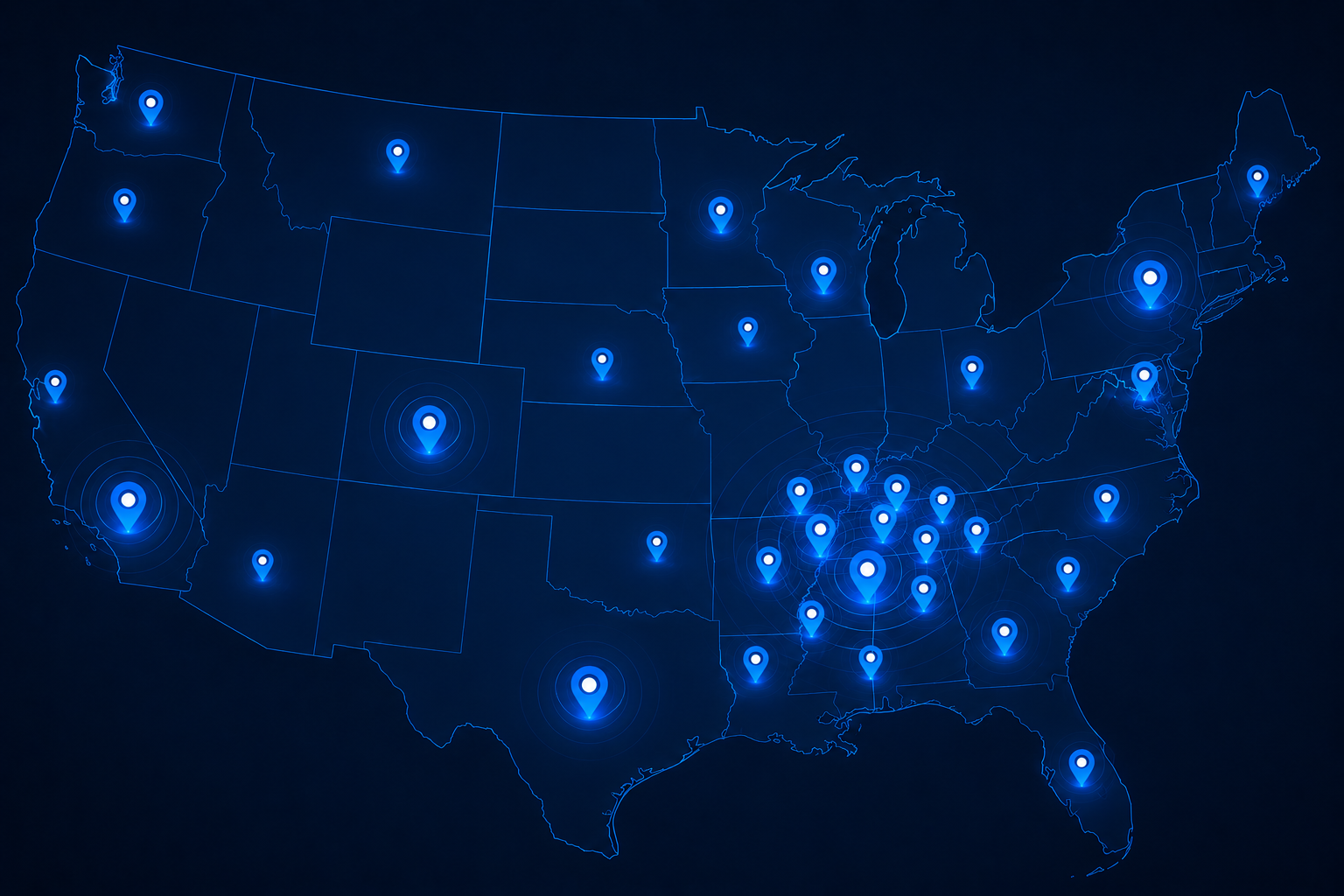
- A map or service-area graphic that clarifies regional coverage
Label images accurately. Explain what is shown, when it was captured, and why it matters. Obtain written permission for customer names, logos, locations, employees, facilities, and identifiable people. If a result contains confidential data, crop or anonymize it rather than publishing unsupported claims.
How should you structure an AI-citable case study?
Use a consistent format so important facts are easy to find and extract. A practical template is:
- Project title: Name the service and customer problem without exaggerated claims.
- Customer and location: Identify the business, industry, and relevant West Tennessee community.
- Challenge: Explain the starting problem in two or three concise paragraphs.
- Approach: List the specific services, decisions, and deliverables.
- Evidence: Add photos, screenshots, quotes, dates, and approved supporting details.
- Results: State verified outcomes, measurements, limitations, and time frame.
- Customer perspective: Include a direct quote only with permission and accurate attribution.
- Next step: Tell similar businesses how to request an evaluation or discuss a comparable need.
Use descriptive subheadings, short paragraphs, bullet lists, and captions. Put the most important facts near the top. A reader should be able to identify the customer problem, service, location, and outcome without reading every sentence.
Example of a concise case-study summary
This format is concise, but it does not invent numbers. Add exact metrics only when they are documented and approved.
Where should you place case studies on your website?
A case study should be easy for people and crawlers to discover. Recommended placements include:
- A central Our Work hub organized by industry or service
- Individual case-study pages with descriptive, permanent URLs
- Relevant service pages that link to supporting examples
- Blog articles that answer a related customer question and link to the full project
- A website navigation item when the portfolio is a major trust asset
- Proposal, email, and social media links that send prospects to the original page
Use one canonical page for each project. Avoid publishing substantially identical versions across multiple city pages, blog posts, and service pages. Internal links should clarify relationships rather than create repetition.
A case study can also support AI Visibility efforts when its facts are clear, original, and consistent with the rest of the website. Structured data may help search engines classify content, but markup cannot make unsupported claims trustworthy.
What should you avoid when creating local case studies?
Do not fabricate results
Never create rankings, lead counts, revenue figures, customer quotes, timelines, or before-and-after claims that cannot be verified. If results are not yet available, say that the project was completed and describe the deliverables instead.
Do not publish generic city pages as case studies
A page that swaps “Jackson” for “Humboldt” without changing the substance is not a local proof point. Each location reference should reflect a real customer, project, market, or service relationship.
Do not confuse correlation with causation
A new website may launch while a seasonal promotion, referral program, or market change is also occurring. Report what was observed, identify the measurement window, and avoid claiming exclusive credit without evidence.
Do not hide important limitations
Explain when a metric is directional, based on a short period, or influenced by multiple campaigns. Honest boundaries increase credibility and reduce the risk of misleading readers.
Case-study publishing checklist
Before publishing, confirm that:
- The customer problem is specific and understandable.
- The services and deliverables are accurately named.
- Location details are real and relevant.
- Results include evidence, dates, and appropriate qualifications.
- Photos, quotes, names, and logos have permission.
- The page has descriptive headings, captions, and internal links.
- The content is original rather than copied across city pages.
- A reader can find the next step without guessing.

How can a West Tennessee business start today?
Choose one completed project with clear documentation and customer permission. Interview the people involved, gather the original photos and measurements, and write the challenge, work, evidence, and outcome in that order. Then publish it on the most relevant website section, connect it to the related service page, and review it periodically as results develop.
If you need help organizing project details, Content Creation , Blog Writing , and SEO Analysis can support the planning and publishing process. The goal is not to produce the most case studies; it is to create a small library of accurate, locally meaningful examples.
Key takeaways
AI-citable case studies work best when they combine a specific customer problem, clearly documented work, verified outcomes, real West Tennessee context, and approved supporting evidence. Publish each project on a clear, permanent page and link it naturally from relevant services and portfolio sections. Avoid fabricated metrics and interchangeable city content. Start with one genuine project, document what can be proven, explain what cannot, and make the next step obvious. That approach strengthens trust for customers while giving search engines and answer engines dependable information to understand and reference.
RECENT POSTS



Ready for a Smarter Marketing Strategy?
Let's talk about your goals and build a plan that gets real results.
or call us today at 731-610-2375